Many Tokyo neighborhoods feel purpose-built for one thing, and for Akihabara, in Central Tokyo, that thing is electronics. Later on the electronics gave way to anime and manga, and now it all coexists. Only in Akiba can you buy a retro computer and a life-size cardboard cutout of an anime character in adjacent shops. Ueno, a short walk north, is a cultural counterweight: serious museums, a sprawling park, and Japan’s oldest zoo. They cover more of Tokyo’s cultural breadth than almost any other combination.
It’s also an extremely walkable pair of neighborhoods. Akihabara and Ueno are 20 minutes apart on foot, which means you spend the day moving through the city rather than wading through train stations.
Overview
| Where to Stay | Any central Tokyo ward: Akihabara is on the Yamanote Line and easily reached from most areas |
| Getting around | Mostly walking. Akihabara to Ueno is 20 minutes on foot or one stop on the JR Yamanote Line. IC card required. |
| Best season | Year-round. Ueno Park is one of Tokyo’s most famous cherry blossom spots in late March/early April. Expect crowds, but the atmosphere is worth it. |
| Pairs well with | Asakusa, which is a 20-minute walk east of Ueno and makes a natural evening extension |
Attraction 1: Akihabara
Morning · Allow 2–3 hours
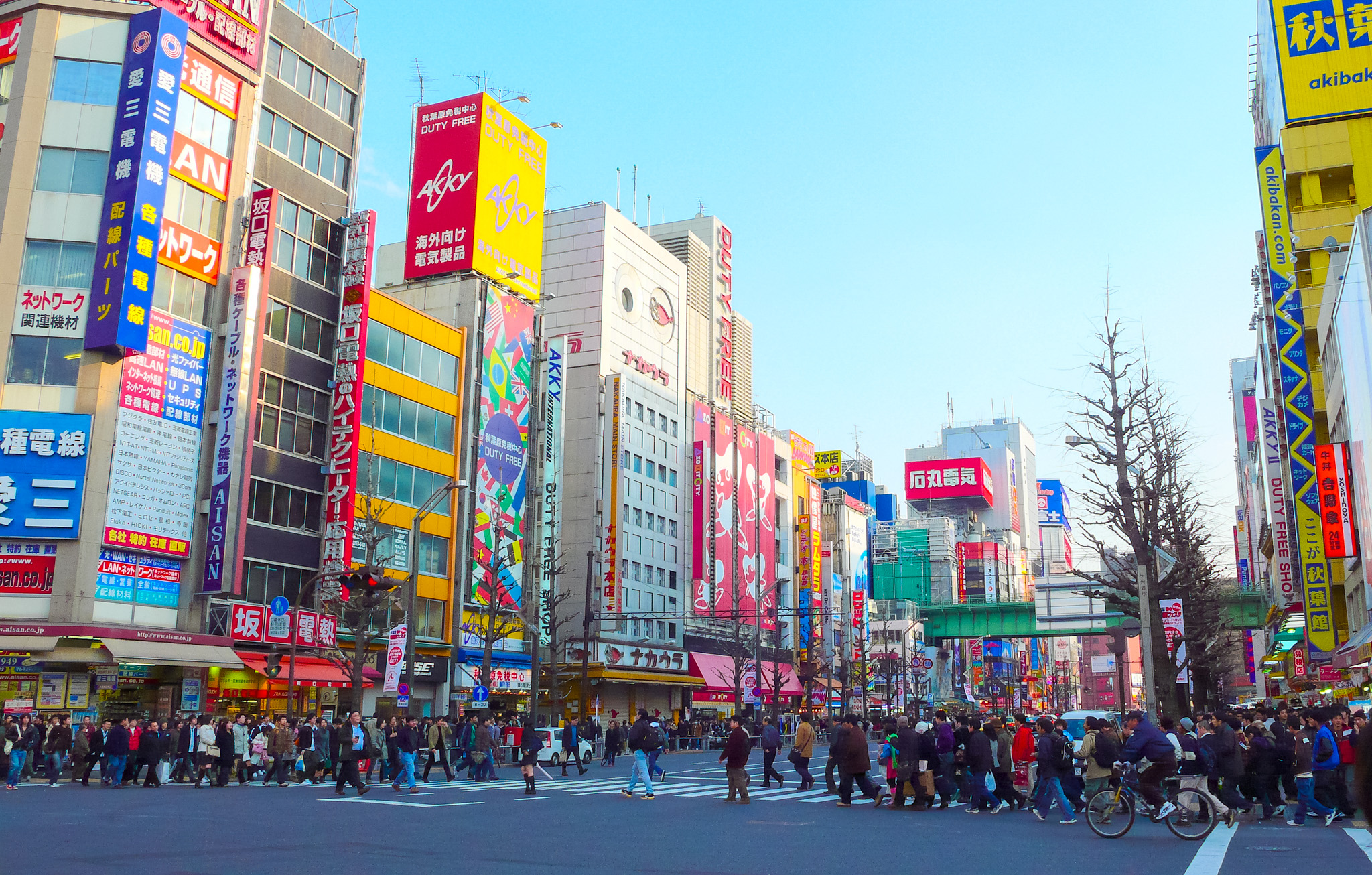
Akiba‘s electronics heritage is still very much alive if you look past the anime billboards. Multi-story shops sell components, cables, and specialist gear alongside consumer electronics. Yodobashi Camera Akiba is the flagship: eight floors covering every consumer electronics product available in Japan, with competitive prices, a strong camera and audio section, and duty-free shopping available. Have your passport ready.
On the anime and manga side, Animate is the place to take the temperature of what’s popular right now: the latest manga volumes, merchandise for whatever series is currently everywhere, figures, stationery, and a genuinely useful snapshot of Japanese pop culture in the moment. Serious collectors and anime buffs should note that Animate’s true flagship is actually in nearby Ikebukuro, which is worth the detour if that’s your world. Kotobukiya nearby is the go-to for high-quality figures and model kits.
While you’re in the neighborhood, find the game arcades. Japanese arcades are a different category from what most people have experienced – crane games with surprisingly good prizes, rhythm games that require real skill, purikura (photo booth stalls) that have been a Japanese teen institution for decades. Budget an hour and don’t underestimate how quickly it goes.
Before you leave Akihabara, find the pair of street food stands near the main strip – one selling crepes, one selling steak skewers. They’re next to each other and have maintained solid quality over the years. Have both.
Maid cafes are present in Akihabara and worth knowing about, but skip them. The concept, staff in French maid costumes addressing you as goshujin-sama (master), is more of a gag than a genuine experience, and the time is better spent elsewhere.
Note: The most interesting shops in Akiba are often on upper floors, so don’t judge a building by its ground level.
Attraction 2: Ueno Park & Tokyo National Museum
Afternoon · Allow 2–3 hours
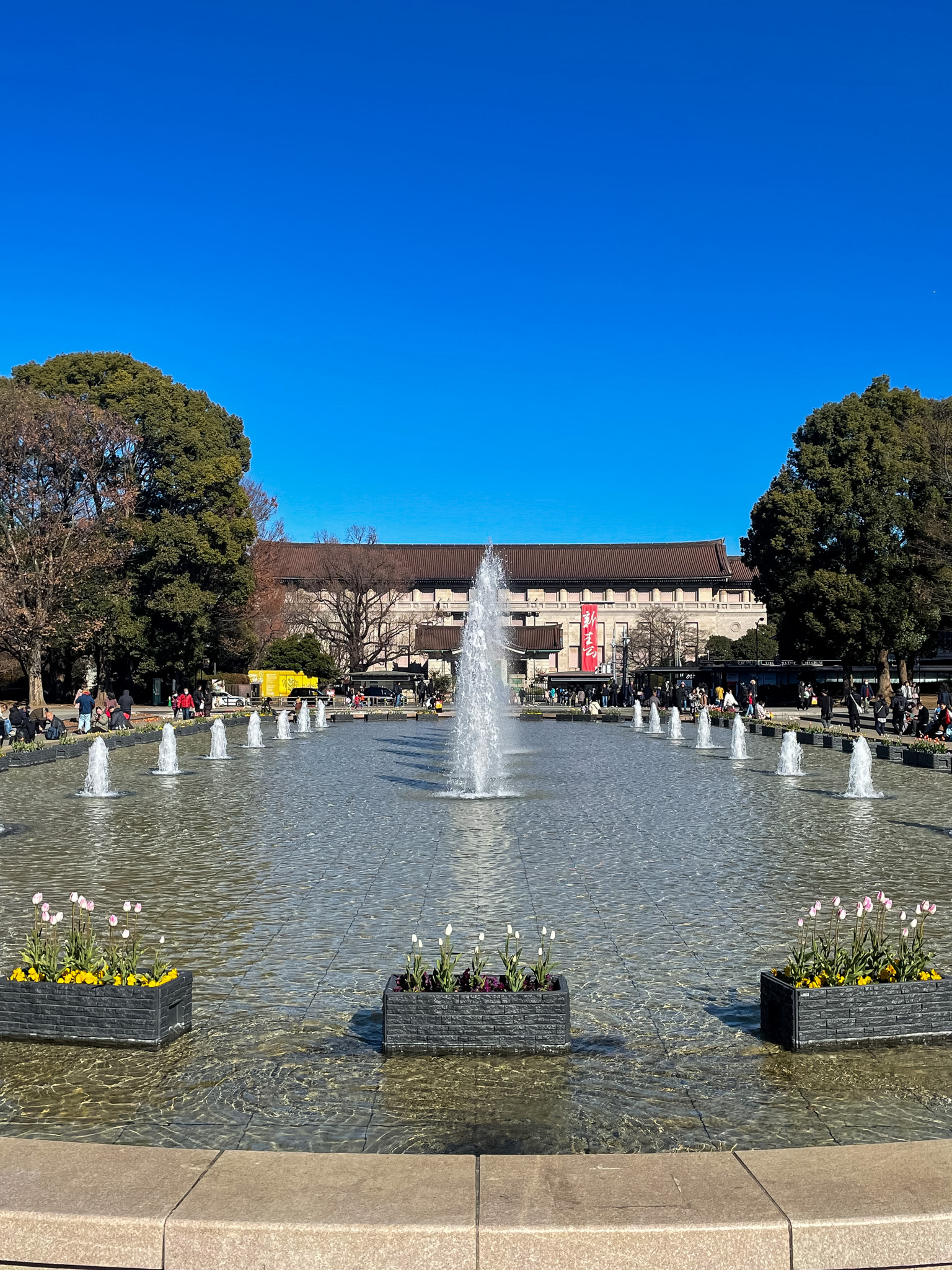
Ueno Park is Tokyo’s oldest public park, and it has a way of surprising you. The large pond fills with lotus flowers through summer, the main paths are lined with street food vendors on weekends, and at almost any time of year there’s a decent chance something is going on. The park hosts festivals and events throughout the year – sometimes big, ticketed affairs, sometimes genuinely spontaneous community gatherings. On a random January visit I stumbled into a festival for Hiroshima-born Tokyo residents: food stalls, local entertainers, the works. Keep your eyes open.
The real draw is the row of world-class museums along the park’s western edge. The Tokyo National Museum is the standout: Japan’s oldest and largest art museum, with the country’s most comprehensive collection of Japanese art and antiquities. Samurai armor, Buddhist sculpture, painted screens, lacquerware, ceramics. The main Honkan building alone fills two hours comfortably. Special exhibitions rotate regularly and occasionally feature national treasures otherwise locked away in temples and private collections. Check the website before you go.
The National Museum of Nature and Science next door is worth a look too, particularly if you have any interest in Japanese scientific and industrial history. The dinosaur collection is strong, and the building itself is impressive.
Ameyoko Market, running under the JR tracks between Ueno and Okachimachi stations, is right on your way. Street food, fresh produce, discount clothing, and an energy that feels more chaotic than most of Tokyo. Good for snacking and picking up cheap souvenirs.
Note: Tokyo National Museum general admission is ¥1,000. Special exhibitions cost extra. Closed Mondays.
Attraction 3: Imperial Palace East Garden
Late afternoon · Allow 1–2 hours
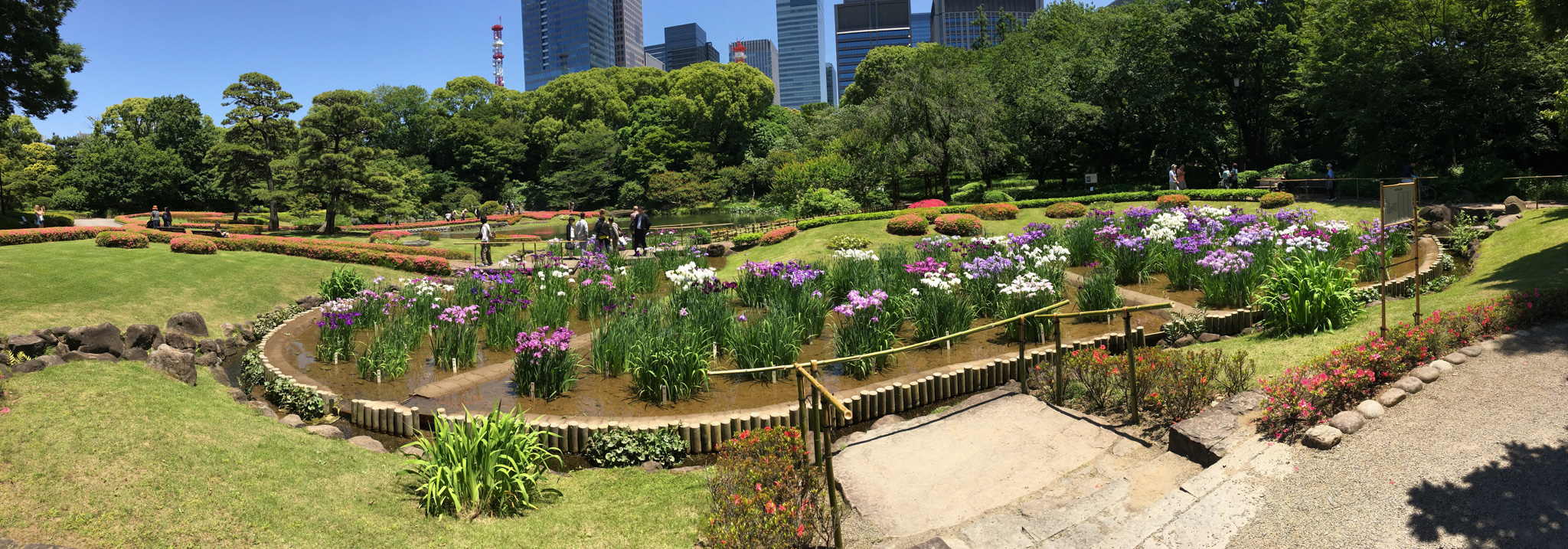
A short metro ride from Ueno, the Imperial Palace East Garden is one of the few places in central Tokyo where you can get genuine quiet on a weekday afternoon. It’s the only part of the Imperial Palace grounds open to the public without a booking, with stone walls, a former honmaru (main keep) site, wide lawns, seasonal flowers, and views over the palace moat. The site has been the center of Japanese political power for four centuries, which is easy to feel when the crowds are thin and the city noise drops away.
It works well as a late-afternoon stop after the density of Akiba and Ueno. The light is good in the final hours before closing, and the walk back toward Tokyo Station through the outer gardens is one of the nicer stretches of pavement in the city.
If you want to see the full palace grounds rather than just the East Garden, guided tours are available but require booking about a month in advance through the Imperial Household Agency website. Worth planning for if this kind of history is your thing.
Note: East Garden entry is free. Open Tuesday to Sunday (closed Monday and Friday). Closes at 4:30pm October to February, 5pm other months. Nearest metro is Otemachi or Nijubashimae. For the full palace grounds tour: sankan.kunaicho.go.jp/english/guide/koukyo.html
Food: Shoyu Ramen
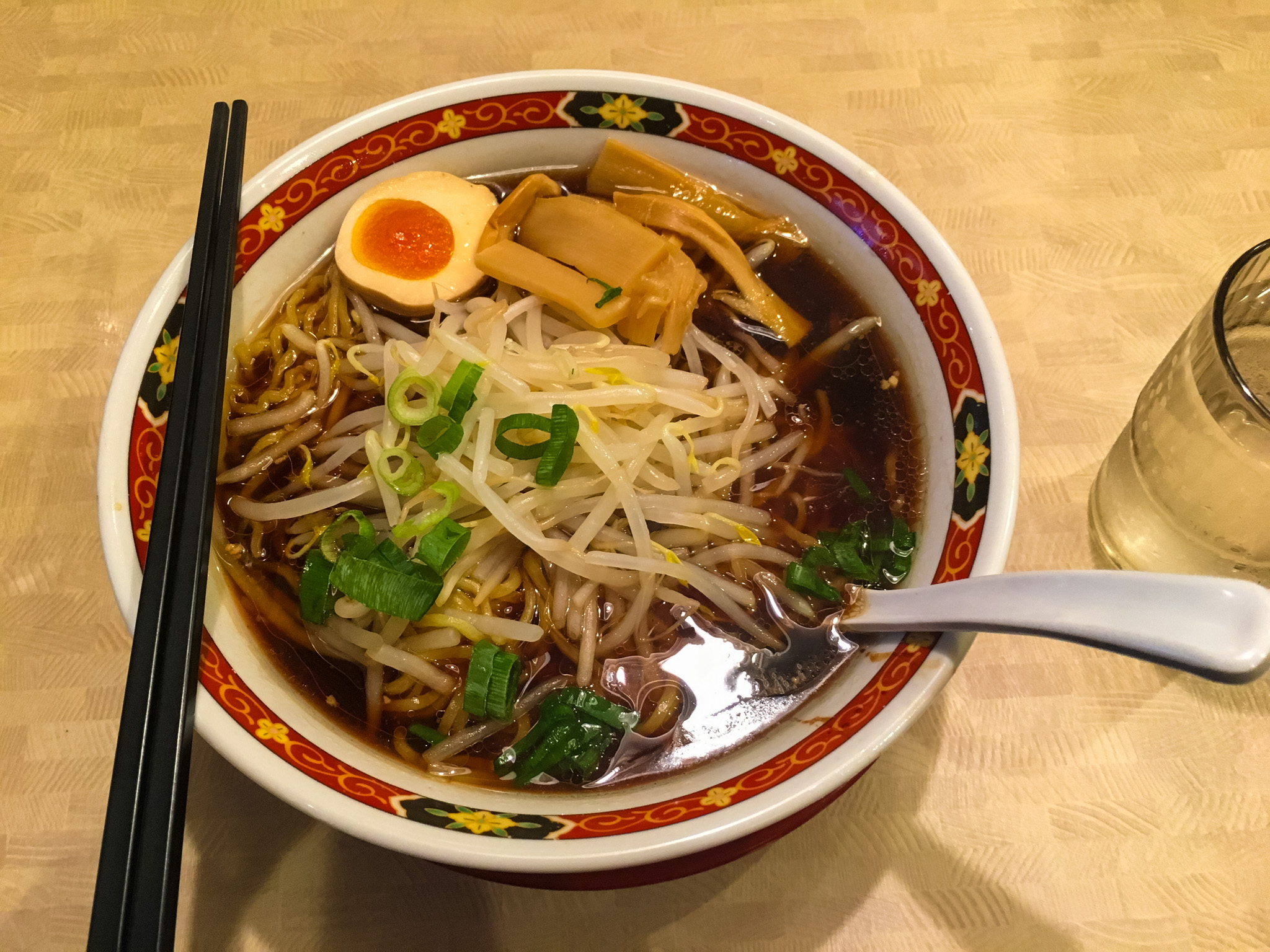
Tokyo’s ramen style is shoyu, a clear, amber broth built on chicken or dashi stock with a shoyu (soy sauce) tare, topped with chashu pork, nori, a soft-boiled ajitsuke tamago (marinated egg), and menma (bamboo shoots). It’s lighter and more nuanced than the thick tonkotsu (pork bone broth) you get further south, and it’s the style that belongs to this city.
Both Akihabara and the area around Ueno have good ramen-ya. Ordering is often done via a ticket machine at the entrance. Put your money in, press the button for what you want, hand the ticket to the staff when you sit down. Straightforward once you’ve done it once.
Note: Ramen shops in Tokyo move fast. The queue outside a popular shop looks intimidating but rarely takes more than 15 minutes. Eating alone at the counter is completely normal and genuinely how many locals do it.
Extra Ideas
- Kanda Myojin Shrine: Five minutes from Akihabara, one of Tokyo’s oldest Shinto shrines, sitting in striking contrast to the electronics district surrounding it. It sells ema (wooden prayer plaques) with anime character designs, which tells you everything about the neighborhood.
- Yanaka District: North of Ueno, Yanaka is one of the few Tokyo neighborhoods that survived both the 1923 earthquake and the Second World War largely intact. Narrow streets, old wooden houses, an atmospheric cemetery, small craft shops. One of the city’s best slow-walk neighborhoods and noticeably less touristed than most.
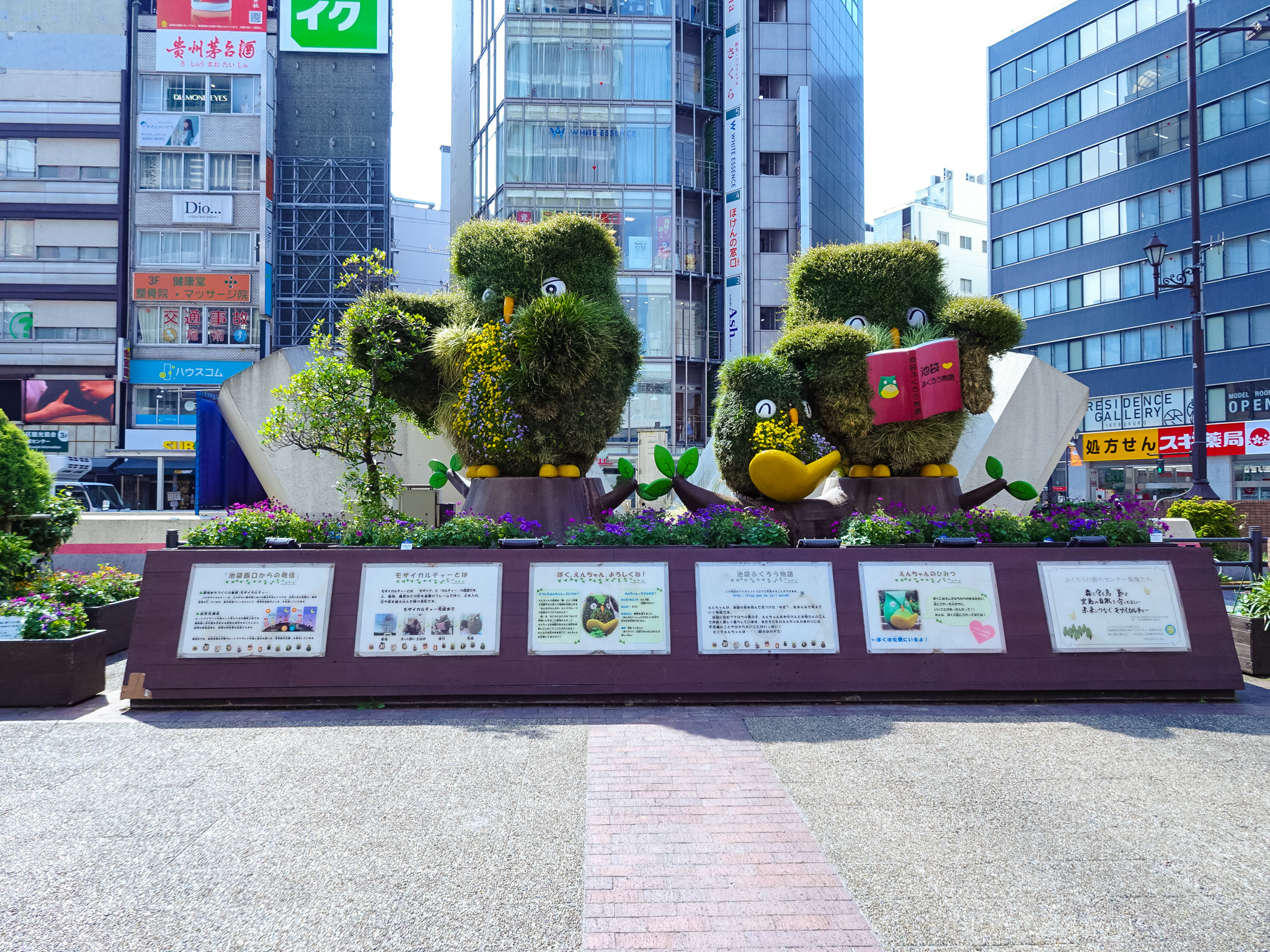
- Ikebukuro: If Animate in Akihabara has whetted your appetite, Ikebukuro is where the serious anime and manga retail lives. The Animate flagship here is the largest in Japan. Also worth knowing: Toranoana is nearby and specializes in doujinshi – fan-made, self-published manga and zines that don’t make it into mainstream stores. A different world from the official merchandise in Akihabara.
Raincheck (Bad Weather)
Akihabara is one of the best rainy-day neighborhoods in Tokyo. You can spend a full downpour moving between multi-story electronics and anime stores without noticing the weather.
- Akihabara game centers: Entirely indoors and genuinely entertaining. A good two hours on a wet afternoon.
- Yodobashi Camera Akiba: Eight floors of browsing is a perfectly legitimate way to wait out a downpour, even if you’re not buying anything.
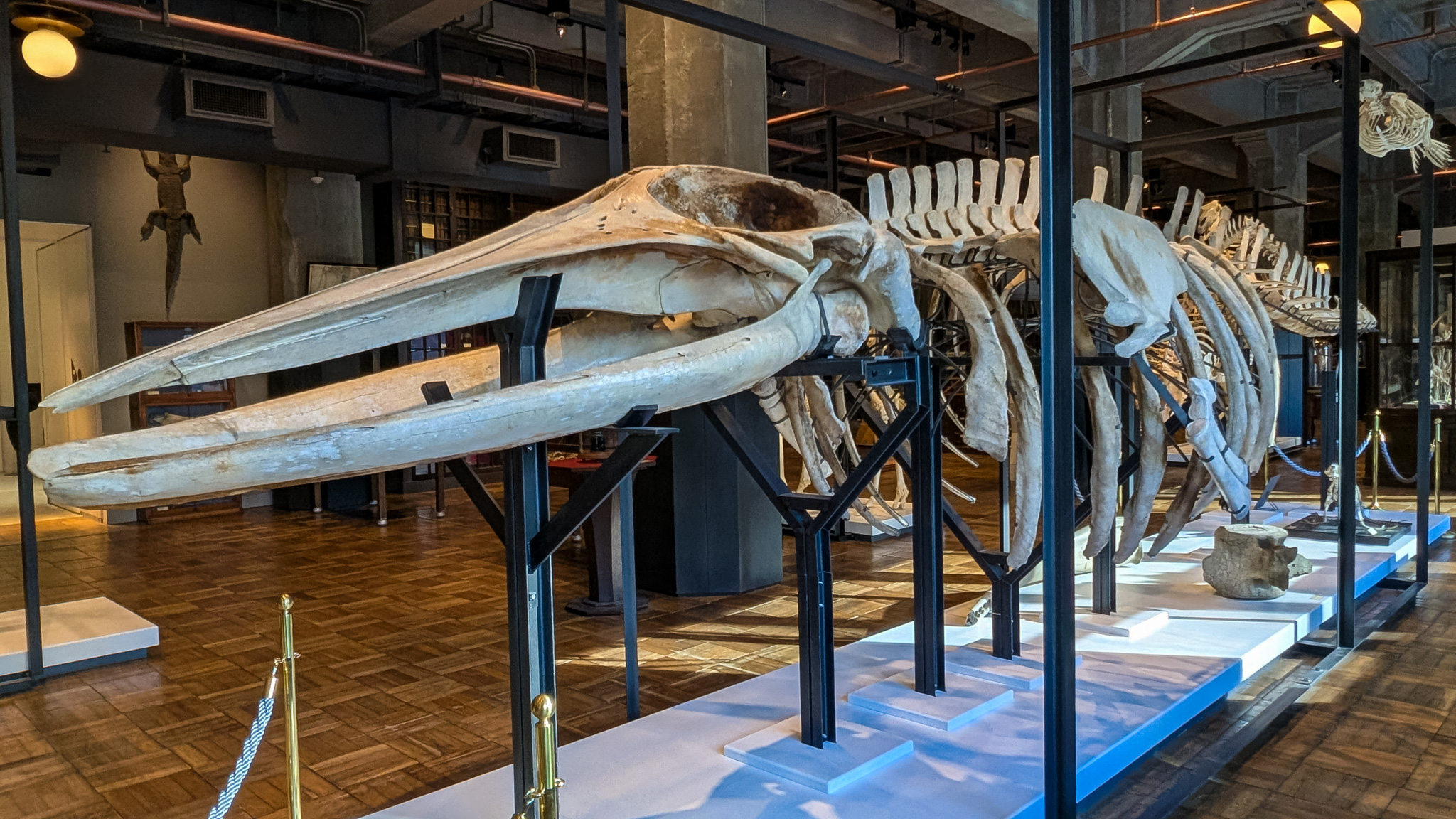
- Intermediatheque: A free museum inside the JP Tower next to Tokyo Station, run jointly by the University of Tokyo. It houses an extraordinary and eclectic mix of natural history specimens, scientific instruments, and academic artifacts displayed in a way that feels more like an art installation than a conventional museum. Genuinely surprising, almost entirely overlooked by tourists, and a short walk from the palace garden.
In Summary: A Day in Akihabara & Ueno
| Attraction 1 | Akihabara — Yodobashi Camera, Animate, game arcades, street food stands |
| Attraction 2 | Ueno Park & Tokyo National Museum |
| Attraction 3 | Imperial Palace East Garden |
| Food | Shoyu ramen |
| Extra ideas | Kanda Myojin Shrine · Yanaka District · Ikebukuro (Animate flagship + Toranoana) |
| Raincheck | Akihabara game centers · Yodobashi Camera Akiba · Intermediatheque |


Leave a Reply