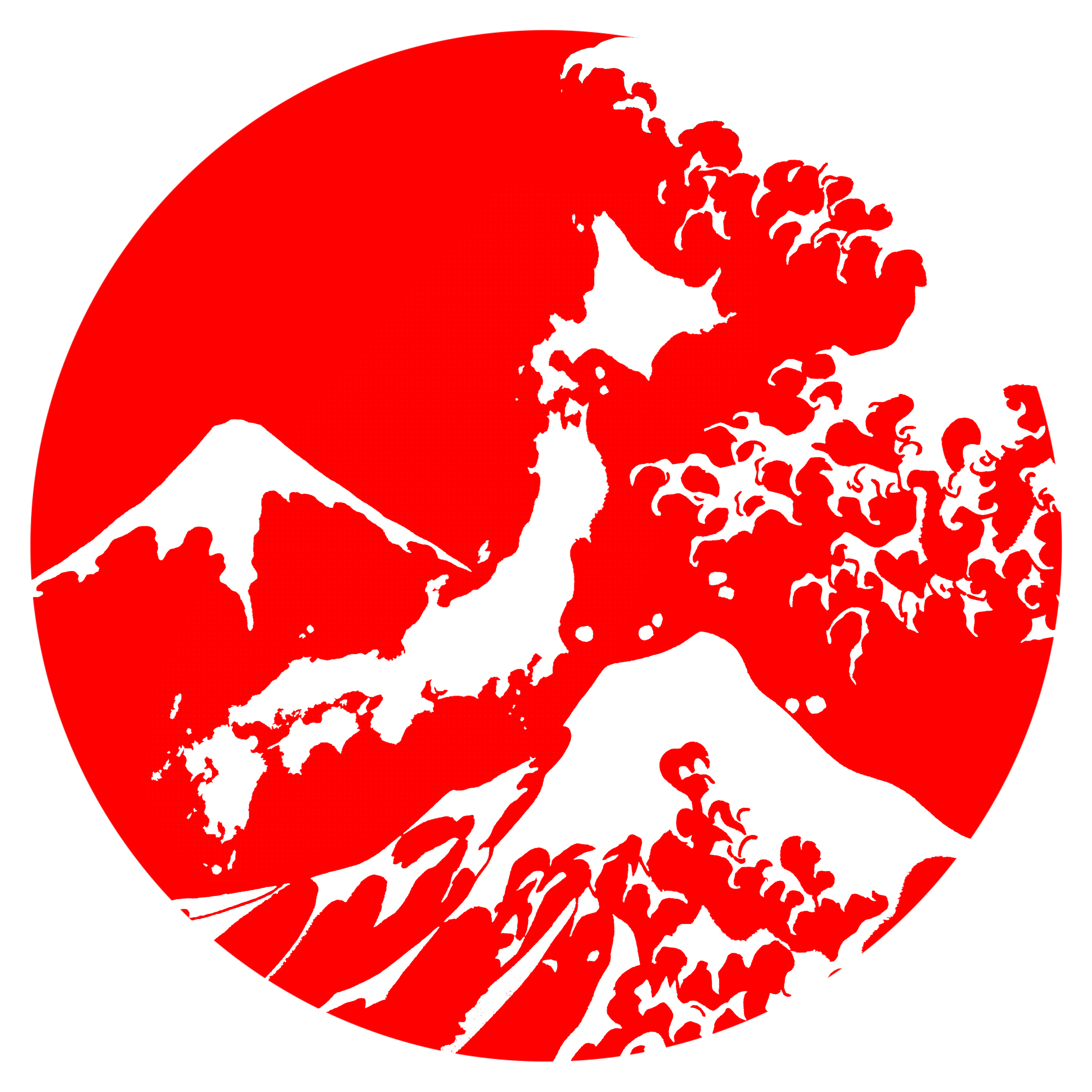
Tokyo is one of the largest and most complex cities in the world, with 14 million people in the city proper and 37 million in the greater metro area. A common, massive mistake among tourists is to zigzag between areas on the same day, burning time on trains that would be better spent exploring a group of clustered, nearby attractions.
The MattFuji approach is to treat Tokyo as a collection of distinct areas, each worth a dedicated day. Central Tokyo, anchored by the district of Asakusa and running through the polished commercial heart of Ginza, is a core area. It’s where Tokyo’s oldest and newest selves coexist most visibly, and it gives you the clearest sense of what this city actually is before you explore its more eccentric corners.
Overview
| Base hotel | Any central Tokyo ward — Shinjuku, Ginza, Nihonbashi, or Akihabara are all well-positioned |
| Getting around | Mostly walking, with one metro connection. IC card required. |
| Best season | Year-round. Tsukiji is most atmospheric on cool, clear autumn and winter mornings. |
| Pairs well with | Western Tokyo (Shibuya/Shinjuku) as a contrasting follow-up day |
Attraction 1: Tsukiji Outer Market
Morning · Allow 2–3 hours
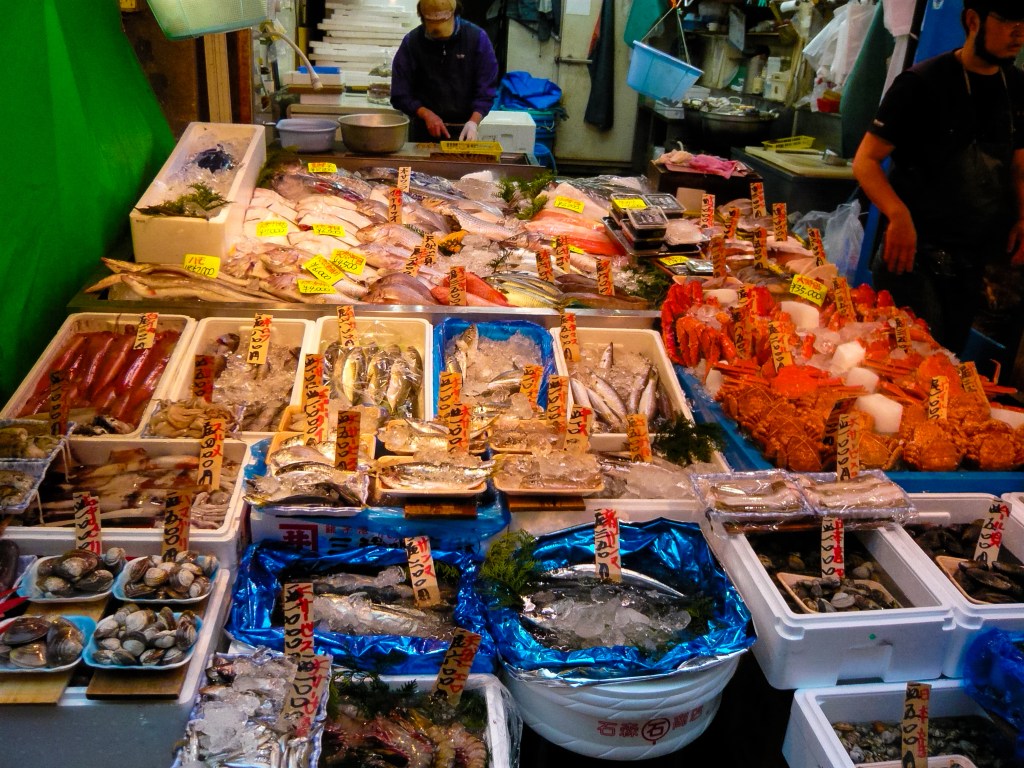
The inner fish auction relocated to Toyosu in 2018, but Tsukiji’s outer market remains one of the great food experiences in Japan. It’s a dense, chaotic, wonderful maze of stalls — fresh seafood, tamagoyaki (sweet rolled omelette cooked to order), professional kitchen knives, pickles, and every conceivable street snack. Come hungry and eat your way through. Counter sushi restaurants where you sit elbow-to-elbow with locals, grilled scallops on sticks, fresh oysters for a few hundred yen each. Crowds build from around 9am; aim to arrive at 8–8:30am.
On jetlag: If you’re early in your trip, lean into it. Tsukiji rewards early risers, and if your body is waking you up at 5am anyway, you might as well point it somewhere useful.
The Toyosu fish auction: If you want to see the actual tuna auction – fair warning, some people love it and others think it’s full of undeserved hype – you need to get up even earlier. The auction starts around 5:30am and visitor slots are extremely limited; you need to register in advance through the Toyosu Market website. It’s worth the effort for serious food enthusiasts, but the outer market at Tsukiji is the more accessible and honestly more fun experience.
Note: The outer market is free to enter and entirely walkable. Budget ¥2,000–3,000 for a nice meal. Many stalls are cash-only, so stop at an ATM beforehand.
Attraction 2: Ginza + Kappabashi Street
Late morning to early afternoon · Allow 2–3 hours
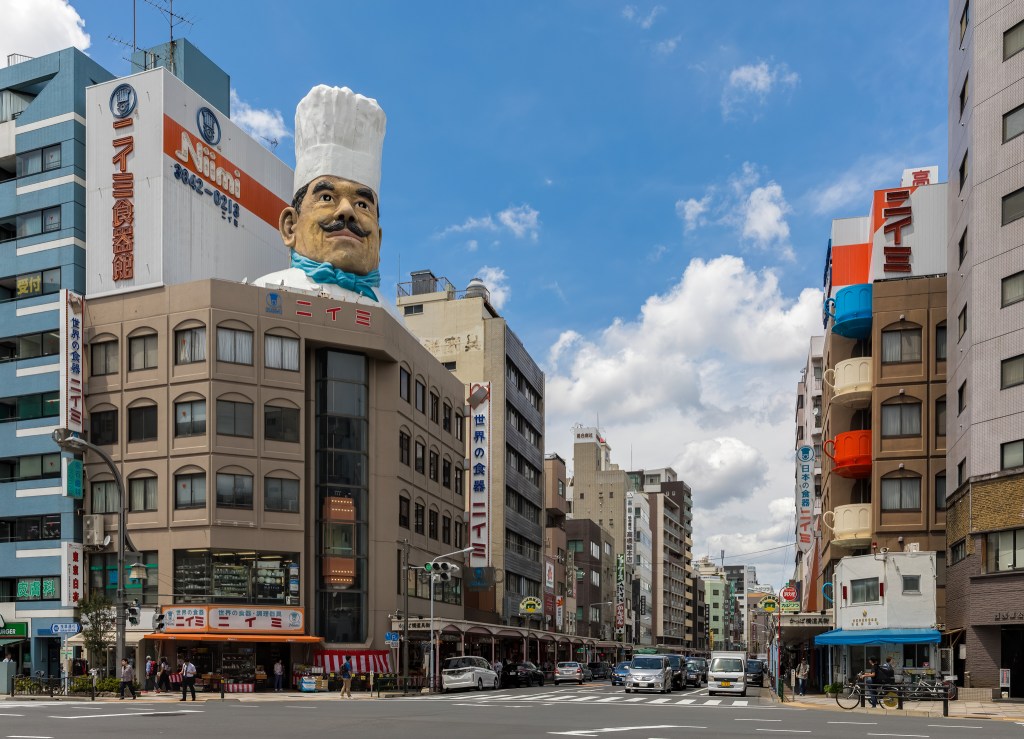
Ginza is Tokyo’s luxury boulevard: wide streets, flagship stores for every global brand, and a particular elegance of luxury. Fun fact: in 2018, a Ginza elementary school branded its school uniform with Armani. The price tag for one uniform was $700, causing some uproar at the time.
On weekends, the main Chuo-dori street is pedestrianised. Worth a stroll, a coffee at one of the many traditional kissaten tucked between the storefronts, and a browse even if shopping isn’t your thing.
The real gem of this stop, though, is Kappabashi-dori, nicknamed Kitchen Town. It’s a street lined end-to-end with wholesale restaurant supply shops, and if you love food or cooking, block out extra time here. This is where Tokyo’s restaurants buy the extraordinarily realistic plastic food display models you see in restaurant windows. It’s also where you’ll find serious professional-grade knives (brands like Masamoto and Kiya have been making blades here for generations), ceramics, lacquerware, donabe clay pots, and every piece of kitchen equipment imaginable.
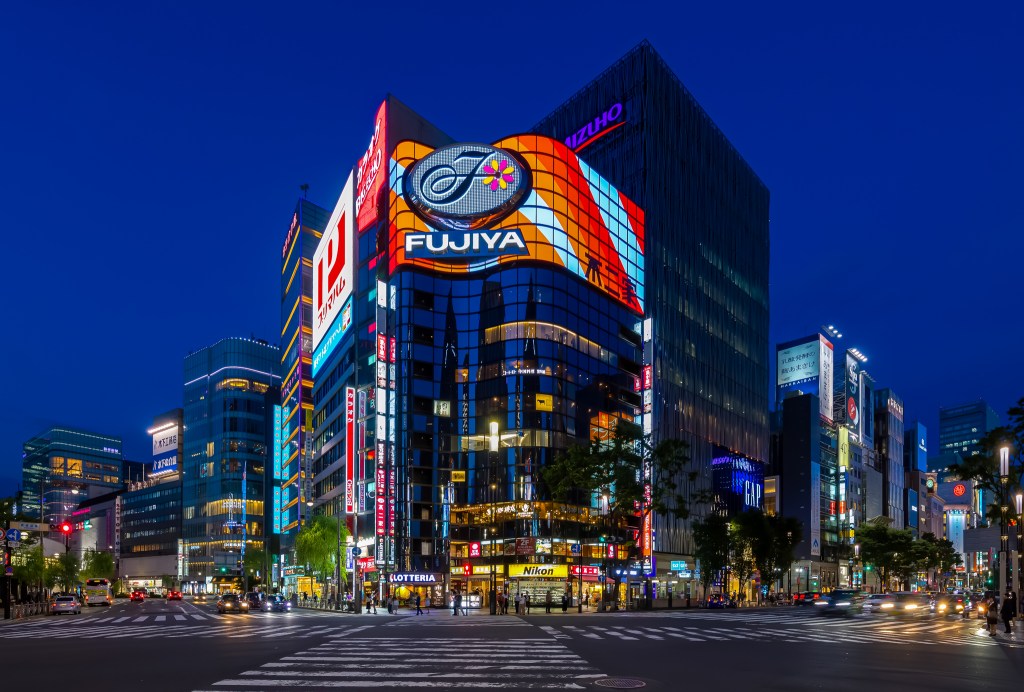
Personally, I’ve come back from Kappabashi with everything from sanpuru (fake food displays) nigiri fridge magnets (solid souvenir gifts) to a donabe for making hot pot at home.
Note: Kappabashi is a 15-minute metro ride from Ginza (Hibiya Line to Tawaramachi). Many shops offer duty-free shopping — ask at the counter, have your passport handy, and you’ll skip the consumption tax on purchases over ¥5,000.
Attraction 3: Senso-ji Temple & Asakusa
Afternoon into evening · Allow 2–3 hours
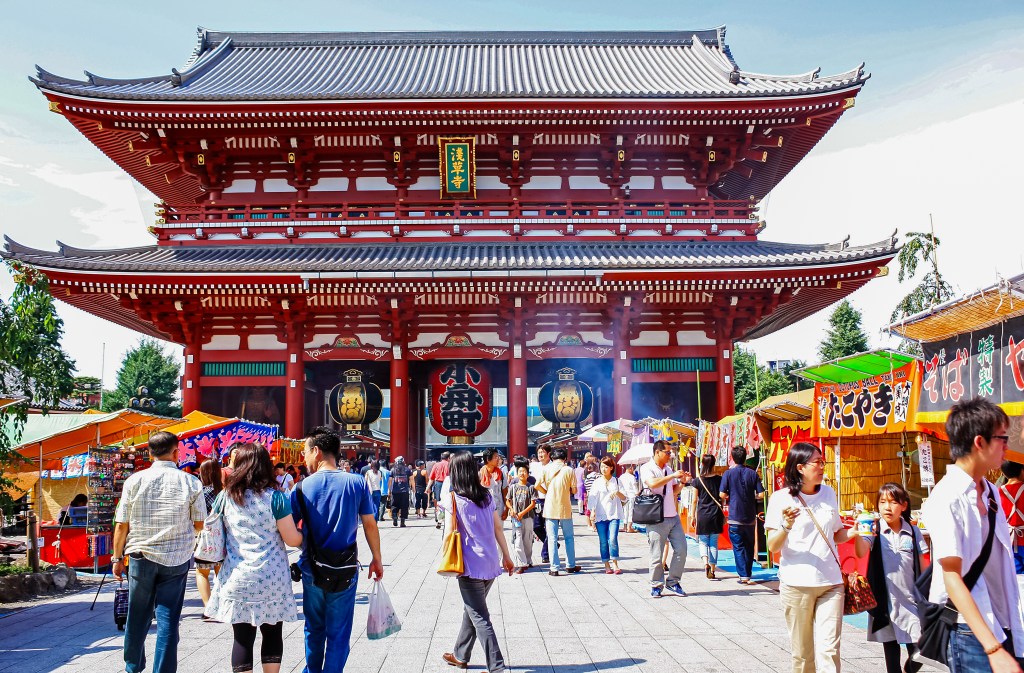
If you’ve seen a photo of a Tokyo temple with a massive red lantern gate and a long shopping street leading up to it, this is that place. Senso-ji is Tokyo’s oldest temple and the anchor of its most intact traditional neighbourhood. The approach through the Kaminarimon gate, past the Nakamise shopping street, with the five-storey pagoda emerging above the rooftops, is one of those views that somehow exceeds expectations even when you already know it’s coming.
The surrounding Asakusa district is where Tokyo’s old shitamachi identity is most alive: rickshaw drivers, craft workshops, the city’s best traditional souvenir shopping, and excellent wagashi (Japanese sweets) to take home. Walk to the Azuma Bridge at dusk for the classic view of Tokyo Skytree rising behind the pagoda against a darkening sky. Stay into the early evening when the lanterns glow and the crowds have thinned considerably.
Note: Senso-ji is free to enter and the grounds are open 24 hours (main hall closes at 5pm in winter, 6pm in summer). The Nakamise shopping street closes around 6–7pm. The blue hour just after sunset here is genuinely special.
Food: Kaiseki
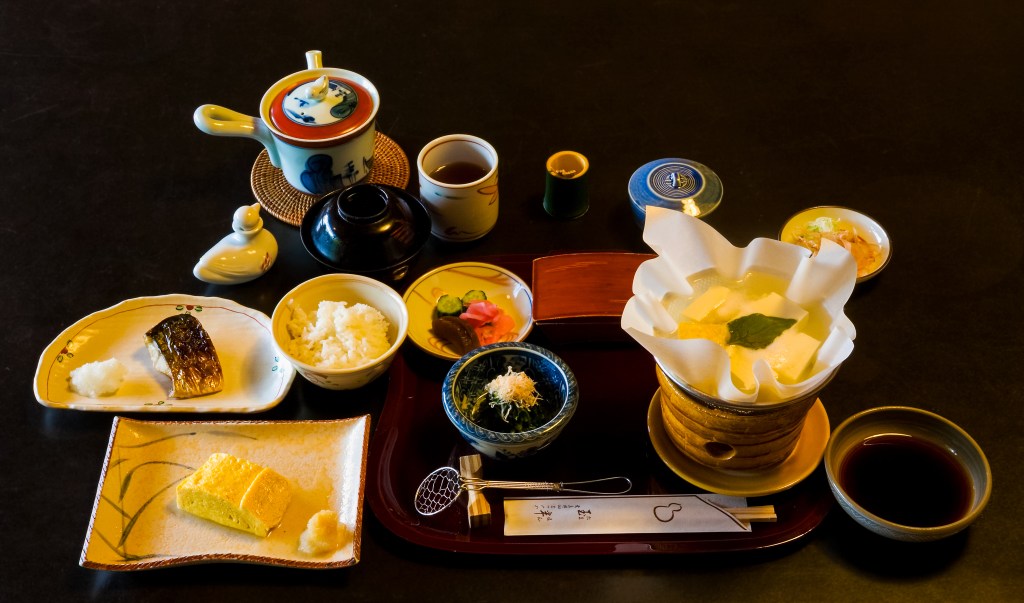
Kaiseki is Japan’s multi-course haute cuisine, and Tokyo has more Michelin stars than any other city on earth. Unlike Western tasting menus, kaiseki is built entirely around the season; every dish reflects what is freshest right now, executed with a level of precision and aesthetic care that extends to the ceramics, the lacquerware, and how each element sits on the plate. It’s one of the great dining experiences in the world and a natural fit for a first evening in the city.
You don’t need to spend a fortune. A lunch kaiseki at a mid-range restaurant runs ¥5,000–8,000 and gives you the full experience. An evening kaiseki at a high-end restaurant is a different level entirely, one of those meals you’ll still be talking about years later.
Note: Book well in advance. Tableall and Omakase are reliable English-language reservation platforms for Japan. If kaiseki feels like a lot for your first evening, an izakaya in Asakusa is a perfectly good alternative. Order broadly, drink slowly, and ease in.
Extra Ideas
- Tokyo Skytree — A short walk from Asakusa. At 350m, the observation deck gives you the best elevated view of the city on a clear day. Go at sunset if you can time it.
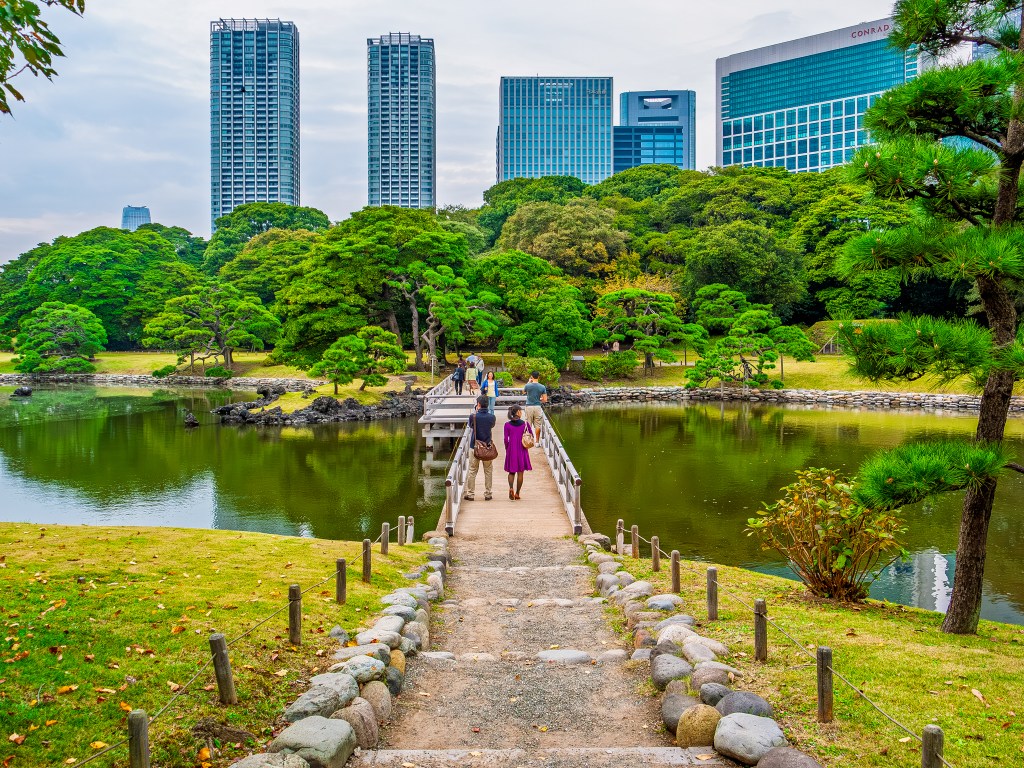
- Hamarikyu Gardens — A short walk from Tsukiji. Former feudal tidal gardens with a teahouse on a central pond. Peaceful, beautiful, and a complete contrast to the market energy next door. Spectacular in autumn.
- teamLab Planets or Borderless — Tokyo’s immersive digital art installations. Borderless recently reopened at Azabudai Hills. Book well in advance — they sell out weeks ahead.
Raincheck (Bad Weather)
Tsukiji’s outer market is largely covered and fine in light rain. For a serious all-day downpour, here are two solid indoor alternatives:
- Tokyo Skytree — Entirely indoors once you’re up there. On a rainy day the cloud layer can actually make the view more dramatic, with the city disappearing below you.
- teamLab — Completely indoors and honestly one of the best things to do in Tokyo full stop. A downpour is the perfect excuse to finally book it if you’ve been on the fence.
In Summary: A Day in Central Tokyo
| Attraction 1 | Tsukiji Outer Market |
| Attraction 2 | Ginza + Kappabashi Kitchen Town |
| Attraction 3 | Senso-ji Temple & Asakusa |
| Food | Kaiseki |
| Extra ideas | Tokyo Skytree · Hamarikyu Gardens · teamLab |
| Raincheck | Tokyo Skytree or teamLab (both fully indoors) |


_Tokyo_Japan.jpg)

,_Senso-ji_(3812598795).jpg)


Leave a Reply