Hiroshima, rebuilt after the Second World War, carries the weight of its history in a way that’s impossible to ignore or fully prepare for. The Peace Memorial Park and Museum are extremely important sites, and if it’s your first visit to Hiroshima, they are must-sees. But Hiroshima is a real, living city with good food, a working streetcar system, and various attractions within walking distance of the downtown core. The day balances some heavier moments with idyllic scenery to decompress.
Overview
| Base hotel | Hiroshima city center: the Hatchobori and Peace Park areas are most convenient |
| Getting around | Hiroshima’s roden (streetcar system) is one of the most functional and charming in Japan. IC card accepted. The Peace Memorial Park is walkable from most central hotels |
| Best season | Year-round. The park is one of the most popular spots for cherry blossoms in the region in spring |
| Pairs well with | Miyajima Daytrip the following day; the two together make a natural Hiroshima area itinerary |
Attraction 1: Peace Memorial Park & A-Bomb Dome
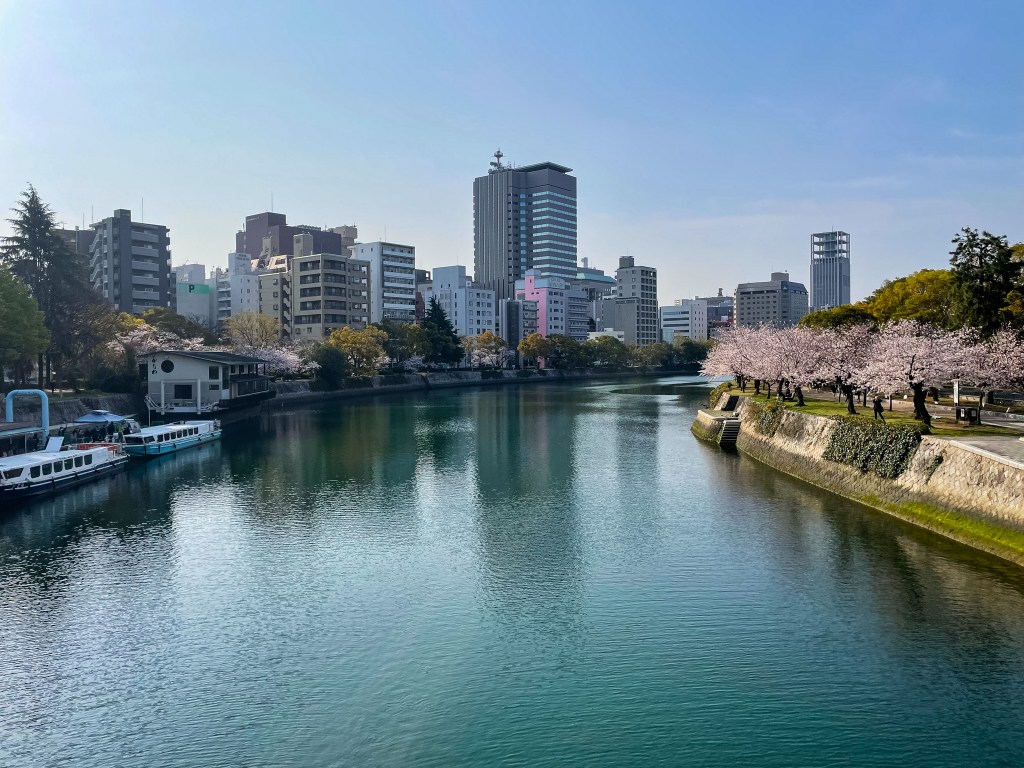
Peace Memorial Park sits on the delta island where the hypocenter of the August 6, 1945 atomic bombing was located. The park is quiet, well-maintained, and dense with memorials, each with its own specific history and meaning. The most famous is the Genbaku Dome (A-Bomb Dome): the skeletal remains of the Hiroshima Prefectural Industrial Promotion Hall, one of the only structures near the hypocenter to survive partially intact. It’s been left exactly as it was, deliberately unrestored, and it is one of the most affecting things you will see in Japan.
Also within the park: the Children’s Peace Monument, dedicated to Sadako Sasaki and all child victims of the bombing, surrounded by thousands of paper origami cranes sent from around the world. The Flame of Peace, which has burned continuously since 1964 and will be extinguished only when all nuclear weapons are eliminated. The Peace Bell, which visitors are invited to ring. Take your time here. The park rewards slowness.
In spring, the park and its riverbanks are lined with cherry trees and rank among the most popular hanami (cherry blossom viewing) spots in the Hiroshima region. If your visit coincides with peak bloom, plan accordingly; it draws large crowds.
Admission details: Peace Memorial Park is free and open at all times.
Attraction 2: Hiroshima Peace Memorial Museum
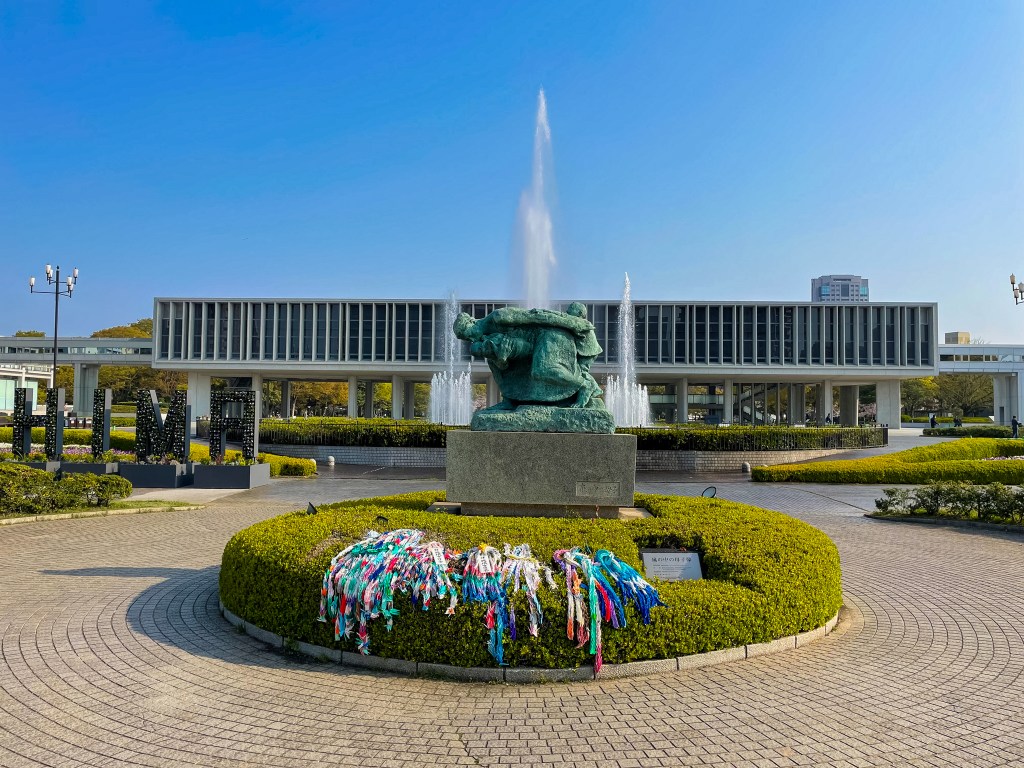
The Peace Memorial Museum sits on the southern edge of the park and can be visited in either order relative to the park itself; both sequences work, and it’s worth knowing that some visitors prefer to walk the park first, others prefer to come out of the museum and into the open air. There’s no wrong answer.
The museum is the most comprehensive account of the atomic bombing and its human consequences in existence. The Main Building tells the story through the eyes of Hiroshima’s people: personal objects recovered from the blast, photographs, written testimonies, and reconstructions of the immediate aftermath. It is not an easy museum. It is one of the most important you will ever visit. Allow at least two hours, more if you read everything.
One thing worth checking before your visit: the museum has historically hosted scheduled talks by atomic bomb survivors (hibakusha), some of whom speak in English, sharing their personal experiences directly with visitors. These talks are among the most extraordinary things available to tourists anywhere in Japan. Check the museum’s current schedule on their website before you go.
Admission details: ¥200 for adults. Audio guide available at the museum.
Attraction 3: Shukkei-en Garden
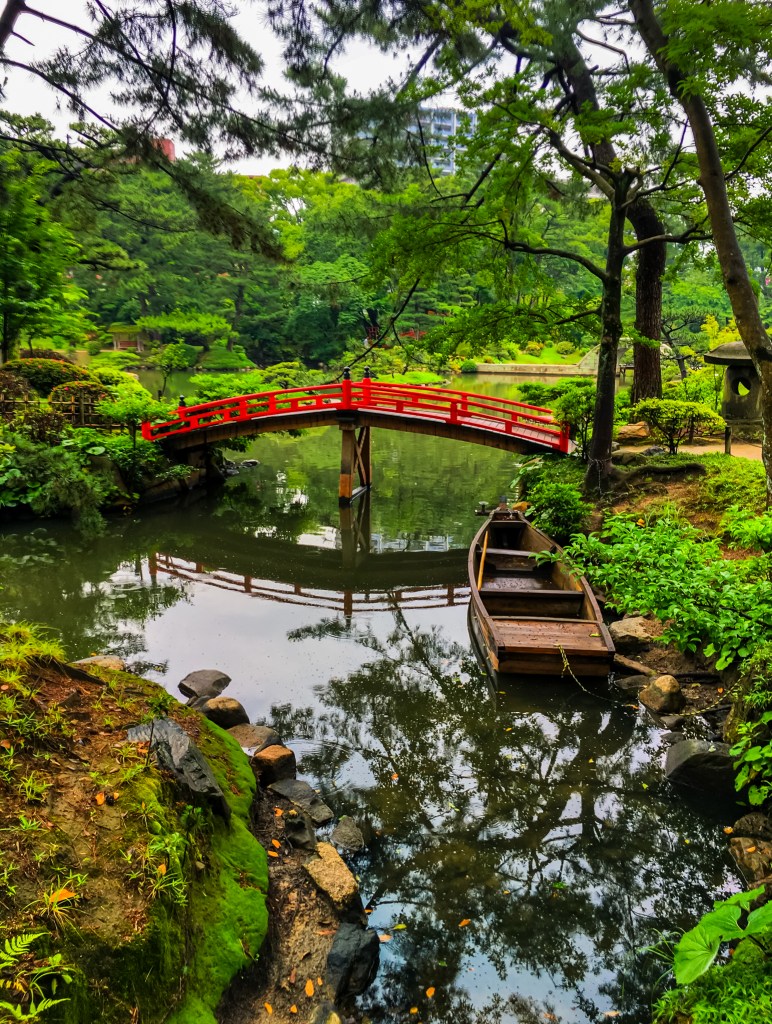
A 15-minute walk northeast of the Peace Memorial Park, Shukkei-en is an extremely beautiful traditional Japanese kaiyushiki (stroll garden) originally built in 1620 and reconstructed after the bombing. The name means “shrunken scenery garden”: the design condenses landscapes of mountains, valleys, forests, and water into a compact space centered on a central pond. What makes it special beyond the overall design is the sense of discovery as you move through it; various nooks and enclosed areas feel completely separated from the rest of the garden, like small worlds of their own.
The on-site cafe serves green tea, dango (sweet rice dumplings), and other traditional snacks; a natural place to sit down and decompress after the museum.
The garden also has a direct connection to the bombing: it served as an emergency aid station on August 6, 1945, and many victims sought shelter here. A small section near the entrance documents this history without overwhelming the space.
Admission details: ¥260 for adults.
Food: Hiroshima-style Okonomiyaki
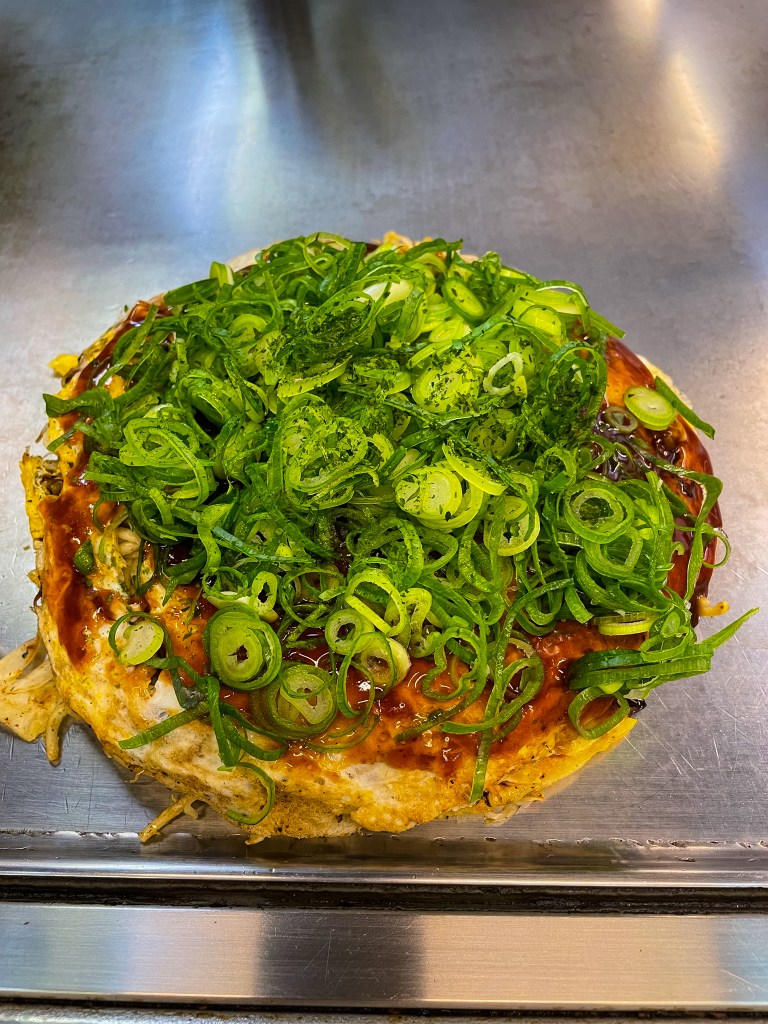
Hiroshima’s okonomiyaki is a different dish from Osaka’s, and the rivalry between the two styles is taken seriously by both cities. The Hiroshima version layers its ingredients rather than mixing them: yakisoba noodles sit in the middle, with batter, cabbage, bean sprouts, and protein stacked above and below, all pressed flat on the griddle. The result is larger, denser, and more structurally complex than the Osaka version.
Okonomimura is the place to eat it: a multi-story building near the Peace Memorial Park housing around 25 okonomiyaki restaurants across its floors, each with a counter facing an open griddle where you can watch the whole thing being made. Many stalls have English-language menus, making ordering straightforward. Every stall has its own recipes and loyal regulars; pick a floor, sit down, and order.
Extra Ideas
- Hiroshima Castle: A short walk from Shukkei-en, the castle was destroyed in the bombing and reconstructed in 1958. The interior houses a good museum on Hiroshima’s feudal history. The grounds and moat are pleasant for a late-afternoon walk even if you skip the museum.
- Hondori Shopping Street: Hiroshima’s main covered shopping arcade. A good place for momiji manju (maple leaf-shaped cakes filled with red bean paste, Hiroshima’s most famous souvenir) and general browsing.
- Orizuru Tower: A newer observation tower adjacent to the A-Bomb Dome, with a rooftop terrace and an indoor area where visitors can fold paper cranes to add to a growing installation. A less somber complement to the park, with a good elevated view of the city.
Raincheck (Bad Weather)
The Peace Memorial Museum is entirely indoors and unaffected by weather. Shukkei-en is less enjoyable in heavy rain but manageable in light rain.
- Hiroshima Museum of Art: A short walk from the Peace Park, with a good collection of French Impressionist and Japanese Western-style paintings. A calm indoor option for the afternoon.
- Okonomimura: Already the food recommendation, but worth noting that it’s entirely indoors and a perfectly legitimate place to spend a rainy afternoon eating slowly and watching cooks work.
In Summary: Hiroshima: The 3-2-1
| Attraction 1 | Peace Memorial Park & A-Bomb Dome |
| Attraction 2 | Hiroshima Peace Memorial Museum |
| Attraction 3 | Shukkei-en Garden |
| Food | Hiroshima-style okonomiyaki at Okonomimura |
| Extra ideas | Hiroshima Castle · Hondori Shopping Street · Orizuru Tower |
| Raincheck | Hiroshima Museum of Art · Okonomimura |


Leave a Reply