Kamakura sits about an hour south of Tokyo by train, making it an easy, rewarding daytrip from the city. It was Japan’s political capital in the 12th and 13th centuries and has a unique mix of historical and religious significance, including one of the most recognizable Buddhist statues in the world. The best part is that everything is within walking distance or a short bus ride of each other. Aside from the paved streets, a number of hiking trails connect major attractions and landmarks for travelers who want a change from Tokyo’s concrete jungle.
Overview
| Base hotel | Anywhere in central Tokyo — Kamakura is about an hour from Tokyo Station on the JR Yokosuka Line, no transfers required |
| Getting around | Walking, local buses, and the Enoden (Enoshima Electric Railway) tram line for the western temples. Hiking trails connect major sites for those who want them. |
| Best season | Spring (cherry blossoms at Tsurugaoka Hachimangu) and autumn (foliage at Hokokuji) are peak. Summer adds beach season. Avoid Golden Week if you can — the town gets genuinely packed. |
| Day trip or overnight | Best as a day trip. One full day covers the highlights comfortably. |
Attraction 1: Tsurugaoka Hachimangu Shrine
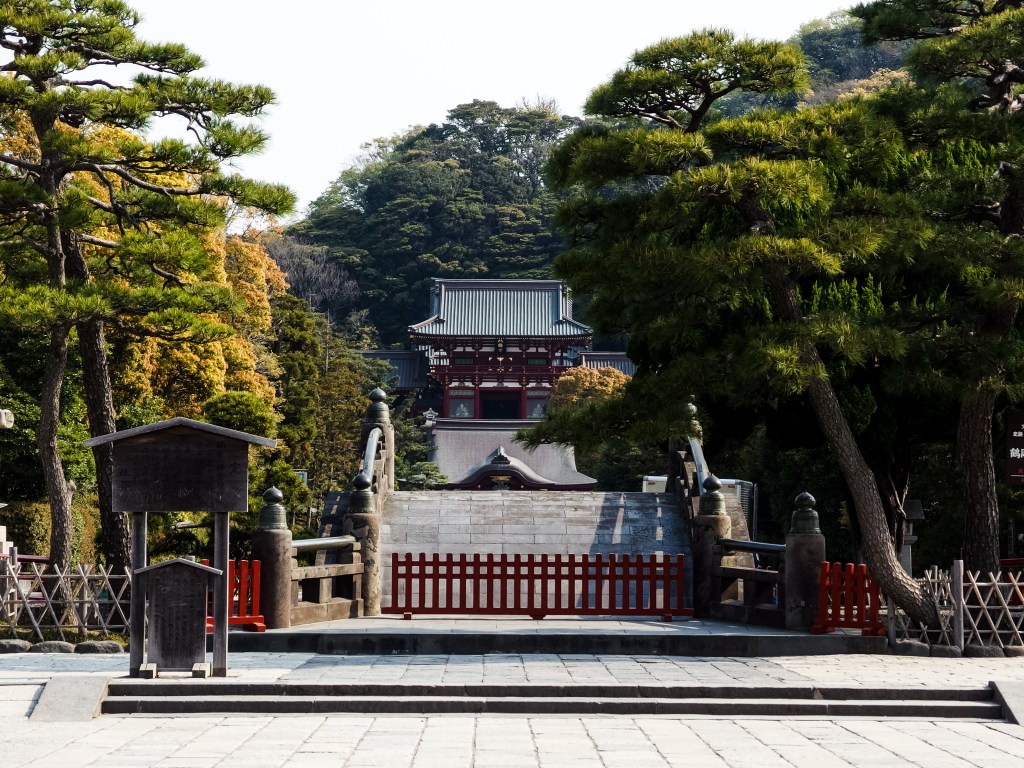
Tsurugaoka Hachimangu is Kamakura’s most important shrine and the natural place to start the day. It sits at the top of a long, straight approach road called Wakamiya-oji, flanked by three parallel avenues of cherry trees that are spectacular in bloom. The shrine is dedicated to Hachiman, the patron deity of the samurai, dates to 1063, and sits at the symbolic center of the old capital. The vermilion main hall at the top of the stone steps offers a view back down the approach toward the sea that hasn’t changed much in eight centuries.
The surrounding grounds are worth taking slowly. There’s a lotus pond on either side of the main approach and depending on the time of year, festivals and ceremonies that happen with very little fanfare. The shrine also sells omamori (protective charms) and ema (wooden wishing plaques) — the usual ritual of writing your wish on the plaque and hanging it with the others is worth doing.
Admission details: Temple access is free. Treasure Museum is ¥200 for adults.
Attraction 2: Yuigahama Beach
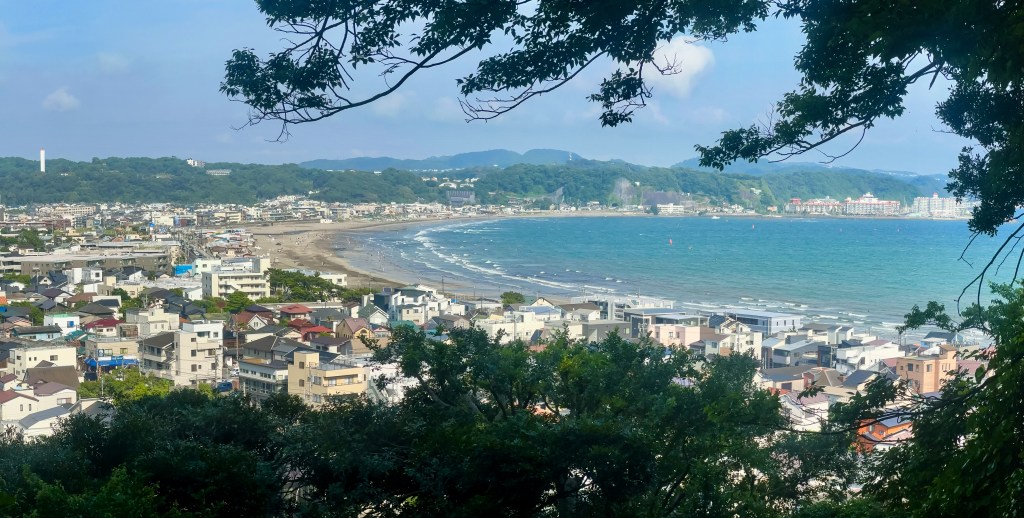
A 15-minute walk south from Tsurugaoka Hachimangu, Yuigahama is Kamakura’s main beach — a wide, sandy stretch facing Sagami Bay with views across to Enoshima island and on clear days, Mt. Fuji in the distance. This stretch of coastline is as much about the scenery as the swimming. The walk along the shore is dotted with restaurants and beach shacks ranging from casual seafood spots to proper sit-down meals, and the shonan surf culture has made Kamakura’s waves a summer institution — if you’re here between June and September, surfers are part of the landscape.
The shoreline path leads west to Inamuragasaki Cape, a rocky headland that juts into the ocean and offers one of the better coastal views in the area. It’s a natural endpoint for a shoreline walk before heading inland toward the afternoon temples.
Admission details: The beach is free and publicly accessible year-round.
Attraction 3: Hasedera Temple + Kotoku-in (Daibutsu)
These two are close enough to visit back to back and distinct enough to justify the time for both.
Hasedera is one of Kamakura’s most beautiful temples — a hillside complex with a garden that offers one of the best views over the town and the ocean. The main hall houses a large gilded wooden Kannon statue (the goddess of mercy) that dates to the 8th century. The cave system beneath the main buildings, where small votive figures line the walls in the dim light, is genuinely atmospheric. The garden changes with the seasons — hydrangea in June, autumn maples, cherry blossoms in spring.
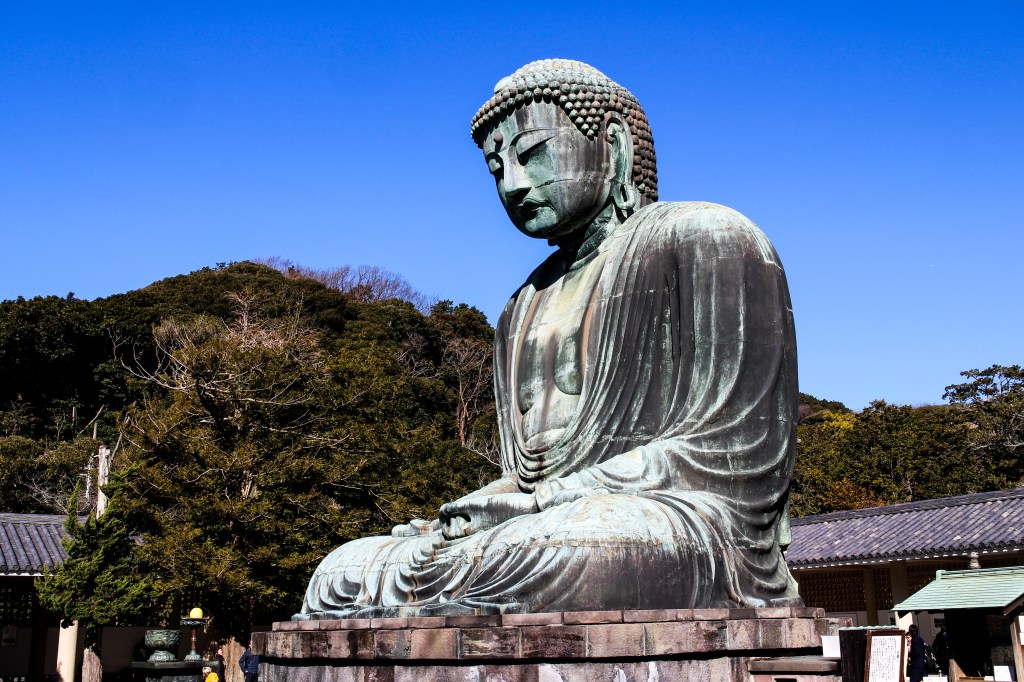
A short walk or bus ride further west brings you to Kotoku-in, home to the Kamakura Daibutsu — the Great Buddha. The bronze statue, completed in 1252, stands 13.35 meters tall and has been sitting outdoors since the wooden hall that once surrounded it was destroyed by a typhoon in the 15th century. It’s one of those sights that photographs endlessly but still manages to be more impressive in person. You can pay a small fee to go inside the statue itself, which is a strange and worthwhile experience.
Admission details: Hasedera ¥400. Kotoku-in ¥300, plus ¥20 to enter the statue interior. Both are a short ride from Hase Station on the Enoden line — a charming single-car tram that runs along the coast and is worth riding for its own sake.
Food: Kamakura Street Snacks
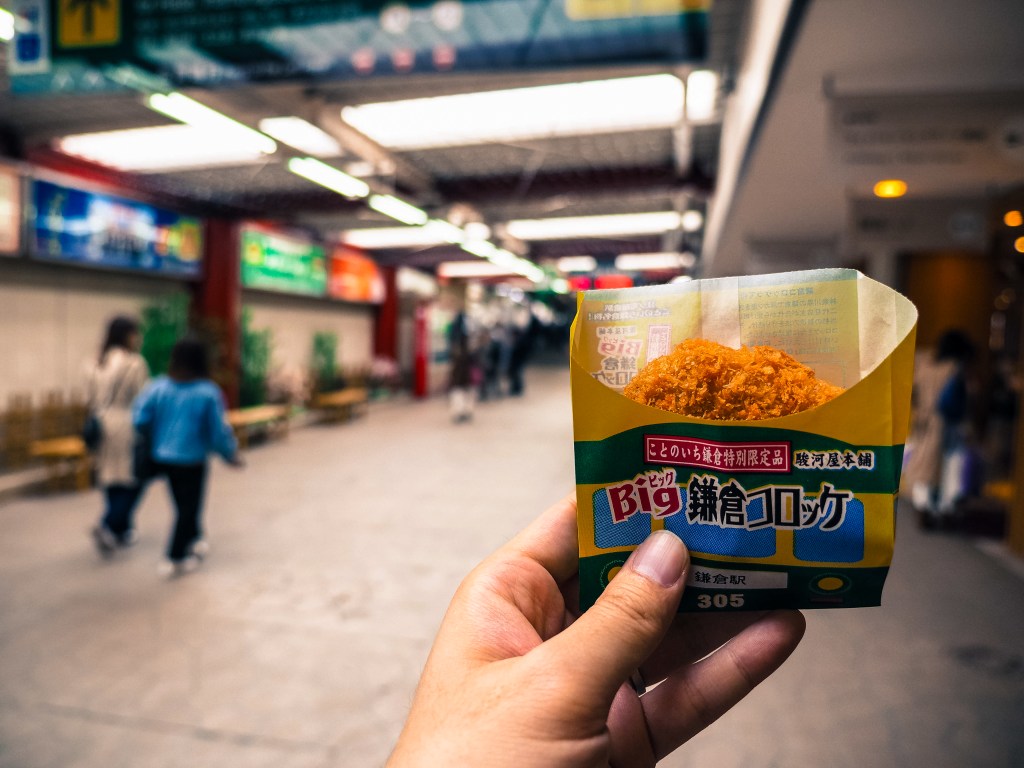
Komachi-dori, the covered shopping street running from Kamakura Station toward Tsurugaoka Hachimangu, is one of the better food-browsing streets in metro Tokyo, and Kamakura is well-known for several local specialties worth looking out for. A croquette (korokke) — a breaded, deep-fried patty of potato and meat — is the street’s signature snack and available from several shops along the way. The chocolate croquette is a sweeter variation that shows up at a handful of stalls; less expected, equally good. Sweet potato ice cream — made from Kamakura’s locally grown satsumaimo — is widely available along the street and the right way to end the circuit.
None of this requires sitting down or spending much money, and the whole thing is best done while walking.
Note: Komachi-dori is worth a first pass on your way to the shrine in the morning, then a slower browse on your way back to the station at the end of the day.
Extra Ideas
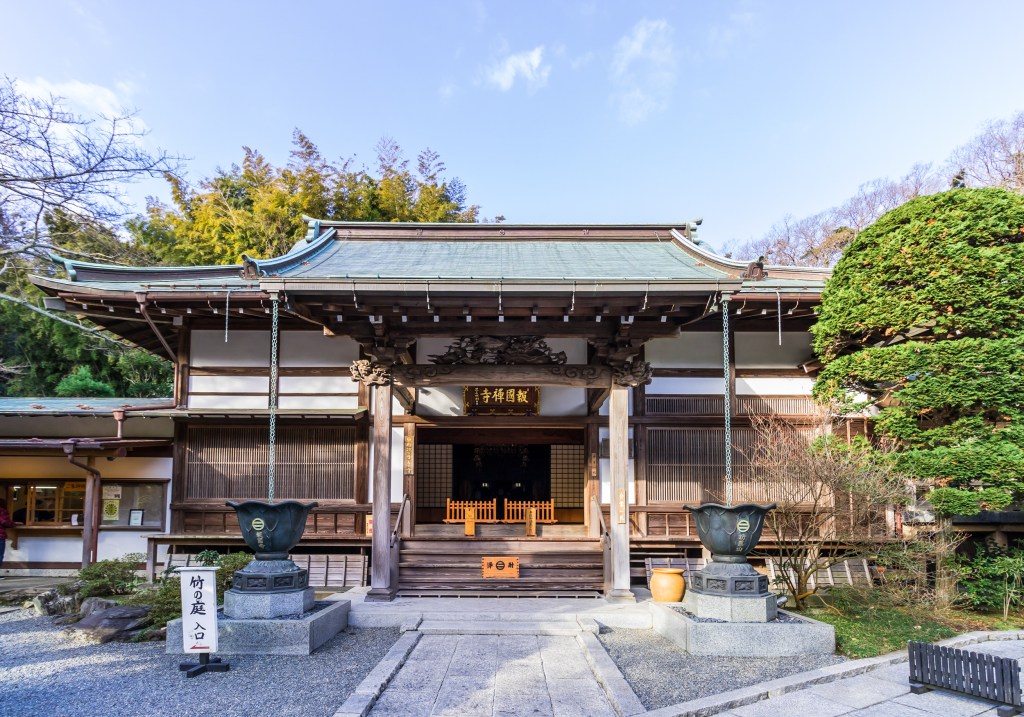
- Hokokuji Temple & Bamboo Forest — A short bus ride east of the main temple circuit, Hokokuji is famous for its moso bamboo grove — a dense, quiet stand that filters the light beautifully and is one of the more genuinely peaceful spots in Kamakura. ¥300 admission includes optional matcha tea service inside the grove. Significantly less visited than the Arashiyama bamboo grove in Kyoto and better for it.
- Beaches in summer — If you’re visiting between July and August, Yuigahama and neighboring Zaimokuza Beach properly come alive. The beach shack restaurants — seafood, cold beer — are a legitimate reason to time a Kamakura visit for summer.
- Komachi-dori shopping — Beyond the food, the street has solid craft shops, pottery, lacquerware, and some of the better omiyage (souvenir) selection in the area. Worth a slow browse on the way back to the station.
Raincheck (Bad Weather)
Kamakura’s temples and shrines are manageable in light rain — the grounds are beautiful in misty conditions and the crowds thin dramatically. For heavier rain:
- Kamakura Museum of National Treasures — Small but excellent, right next to Tsurugaoka Hachimangu, with rotating displays of Buddhist sculpture and artifacts from Kamakura’s temple collections. Almost always overlooked, genuinely worth an hour.
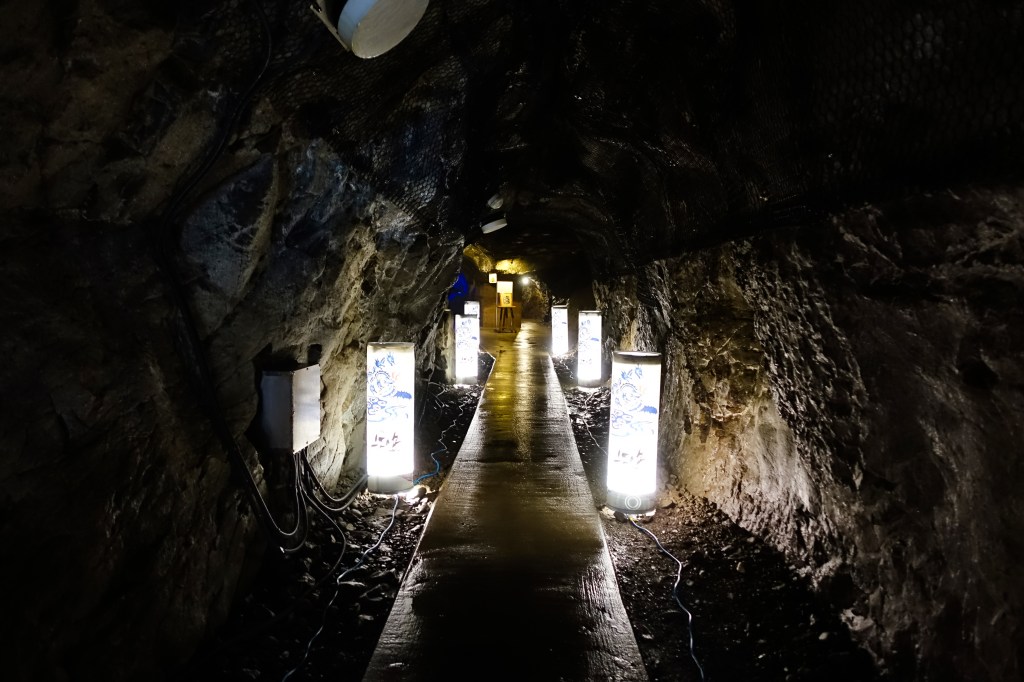
- Enoshima — One stop further on the Enoden line, Enoshima Island has an extensive network of sea caves (Iwaya Caves) and covered shopping streets that hold up well in bad weather. The cave system is particularly atmospheric on a grey day.
In Summary: Kamakura Daytrip
| Attraction 1 | Tsurugaoka Hachimangu Shrine |
| Attraction 2 | Yuigahama Beach & Inamuragasaki Cape |
| Attraction 3 | Hasedera Temple + Kotoku-in Daibutsu |
| Food | Komachi-dori street snacks — korokke, chocolate croquette, sweet potato ice cream |
| Extra ideas | Hokokuji Temple & Bamboo Forest · Beaches in summer · Komachi-dori shopping |
| Raincheck | Kamakura Museum of National Treasures · Enoshima sea caves |


.jpg)


.jpg)


Leave a Reply